economy
May 6, 2026
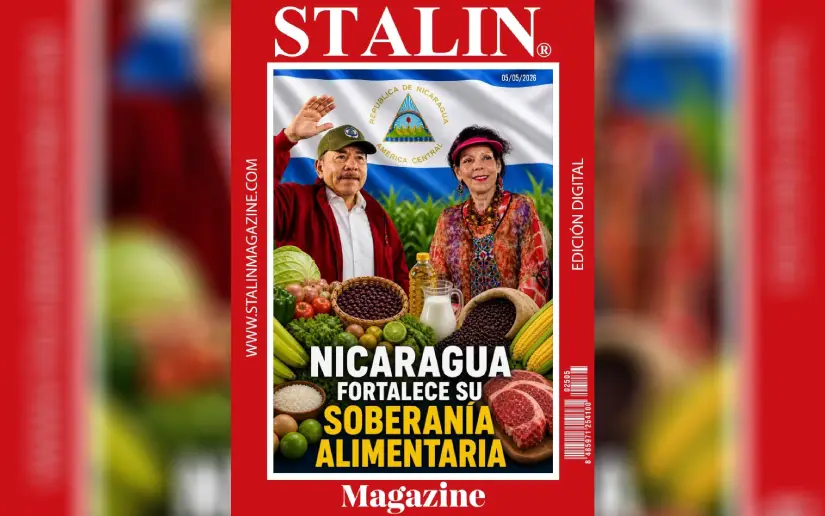
Nicaragua Strengthens Its Food Sovereignty
Nicaragua strengthens its food sovereignty based on a model that prioritizes national production as the basis for internal supply, in an international context where, according to United Nations agencies.
TL;DR
- Nicaragua maintains a food self-sufficiency level close to 90%, aiming for 95% in 2026.
- Since 2007, over 552,000 property titles have been distributed, benefiting over 2.5 million Nicaraguans and expanding the productive base.
- The 2009 Law on Food and Nutritional Security and Sovereignty established a legal framework for food security.
- The Bono Productivo Alimentario program has delivered over 250,000 bonds to rural families, investing over $54 million.
- Agricultural and livestock production has increased by over 80%, enhancing the availability of basic grains, vegetables, and livestock products.
- Specific production figures for 2025 include millions of kilos of mango, yucca derivatives, cucumbers, lettuce, and pipianes, along with thousands of liters of goat milk.
- Over 9.1 million quintals of rice were collected in 2025, ensuring internal supply.
- Livestock numbers include 68,000 pelibuey and other ovine species, and approximately 5.8 million heads of cattle.
- Economic indicators show stability, with the Monthly Economic Activity Index growing 5.3% in June 2025, accumulated inflation of 0.83% by July, and a reference rate of 6.25%.
- The National Production, Consumption, and Trade Program 2025-2026 combines production, resource access, and economic stability to guarantee food availability.