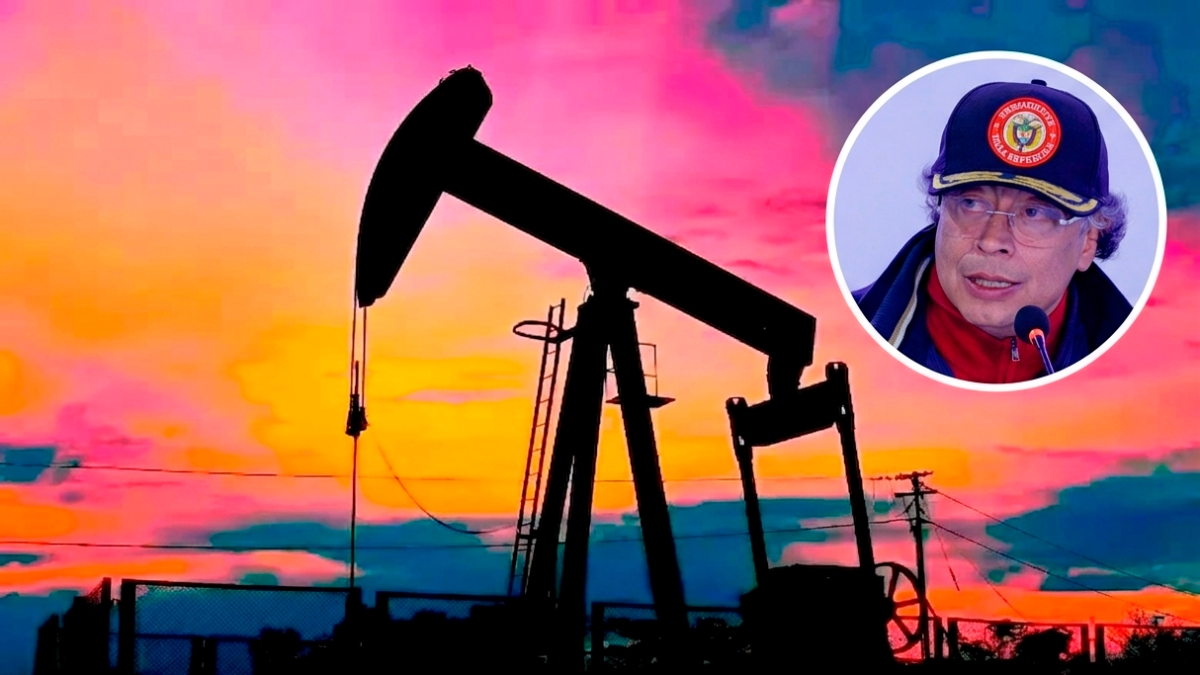
Petro predicts the end of oil and gas, but experts deny him
The recent statements by President Gustavo Petro on the future of hydrocarbons have ignited a new debate in the country, especially among academics and actors in the energy sector...
TL;DR
- President Petro believes oil and gas sales will end globally due to international conflicts and advocates for Colombia to prepare for this scenario, rejecting gas imports.
- Energy sector experts and geologists counter Petro's claims, stating that global energy demand is rising and hydrocarbons remain essential, especially where viable alternatives are scarce.
- Colombia has significant proven oil reserves (7.2 years of production) and has replaced more crude than it extracted between 2018 and 2024.
- Experts acknowledge that reserve replacement relies more on enhanced recovery than new discoveries, and development faces regulatory, environmental, and legal barriers.
- The oil and gas sector remains crucial for Colombia's exports and fiscal revenues, with natural gas playing a vital role in daily life, industry, and energy security.
- A trade union also disputes Petro's statements, predicting that oil and gas will still constitute around 60% of the global energy matrix in 2050.
- The consensus among industry actors is to responsibly manage hydrocarbons while consolidating sustainable alternatives, viewing subsoil resources as strategic assets.
- There is a call for an evidence-based dialogue among the state, industry, academia, and society to balance energy transition, economic growth, and sustainability.