A State Without a Cushion in a Cashless Reality: The Scenario Fueling the Petro Government's Fiscal Crisis
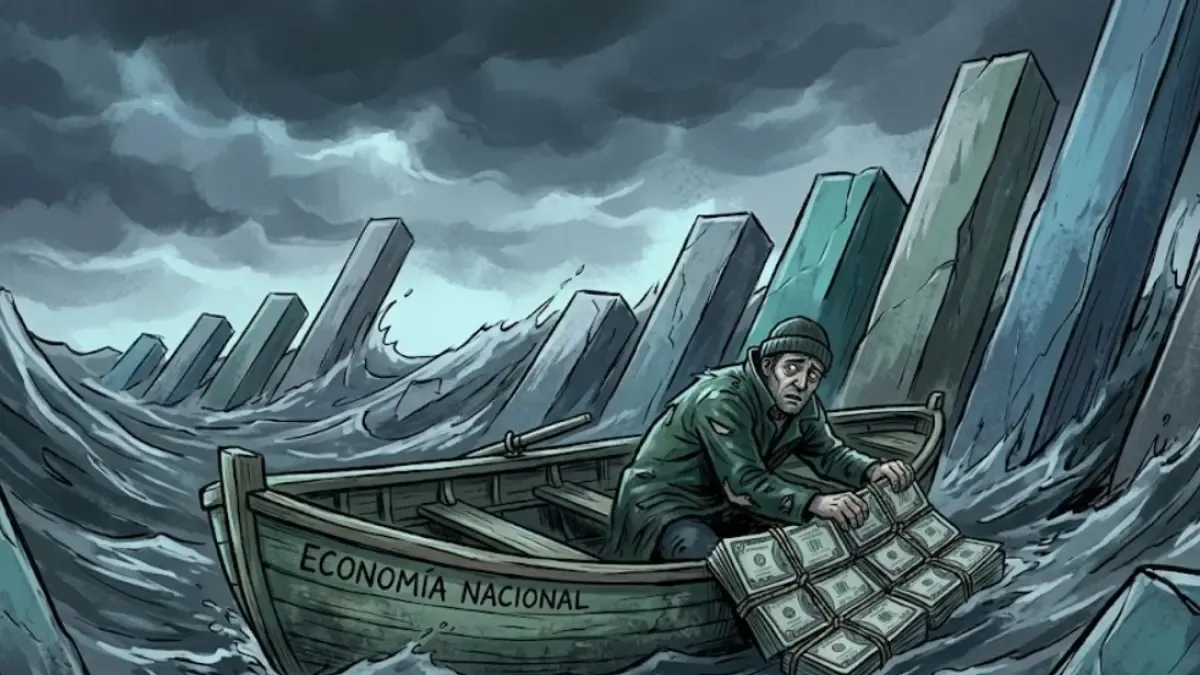
The country faces a fiscal crisis not seen since the last century. Photo: Image generated with artificial intelligence.
TL;DR
- Colombia's government is experiencing a severe liquidity crisis, with daily operating funds (Treasury Deposits) falling dramatically.
- Daily cash reserves have dropped from an average of 1.94% of GDP in 2021-2022 to a projected 0.54% in 2025-2026, representing a drop of over 70% in real terms.
- This liquidity shortage is driven by tax revenues failing to meet objectives and government spending exceeding budgets.
- The dwindling cash reserves limit the government's ability to meet daily obligations like salaries, transfers, and debt servicing.
- The government is increasingly relying on short-term financing, such as repo operations, which incur higher costs and increase refinancing risks.
- Experts warn that this situation reduces the state's capacity to act during crises and requires structural adjustments to finances.
- While dollar reserves and short-term credit mechanisms offer temporary relief, they do not solve the underlying issue of insufficient structural income.