La nueva Ley de Hidrocarburos, ¿es la Ley Giusti?
Cuando Chávez decía, para replicar a la oposición, “lo que están planteando es volver a la apertura petrolera”, no estaba describiendo una política pública. Estaba delimitando una frontera moral a partir de consignas. No entraba en un debate técnico sobre el modelo petrolero: construía un antagonismo político, trazaba una línea en la arena entre leales y traidores.
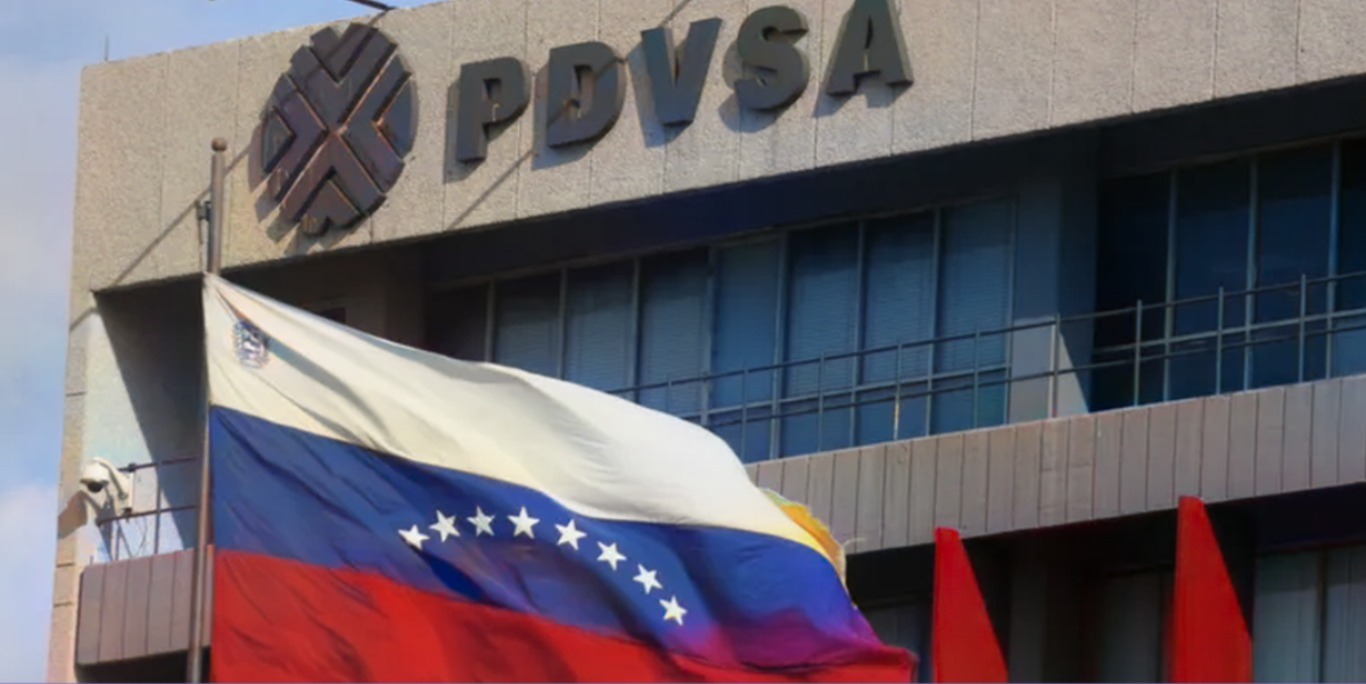
TL;DR
- The new Hydrocarbons Law allows for private capital, international arbitration, and flexible contracts, reversing previous policies.
- This move acknowledges the failure of the statist model that weakened PDVSA.
- The law reintroduces mechanisms from the 1990s 'Apertura Petrolera'.
- The 90s Apertura involved attracting private investment and technology for complex areas like the Orinoco Belt, without privatizing reserves.
- Chávez's government promoted a centralized, politicized model that eroded PDVSA's professional structure and used it as a financial instrument.
- This statist model led to corruption, decreased oil production, and increased poverty.
- The new law is seen as a desperate measure for survival rather than a strategy for growth, contrasting with the 90s Apertura.
- The reform acknowledges that the Venezuelan oil industry is not viable without private investment and reliable legal frameworks.