'El cobro de $8 por kilovatio no resuelve la crisis de Air-e', dice vocero de los dueños de la empresa
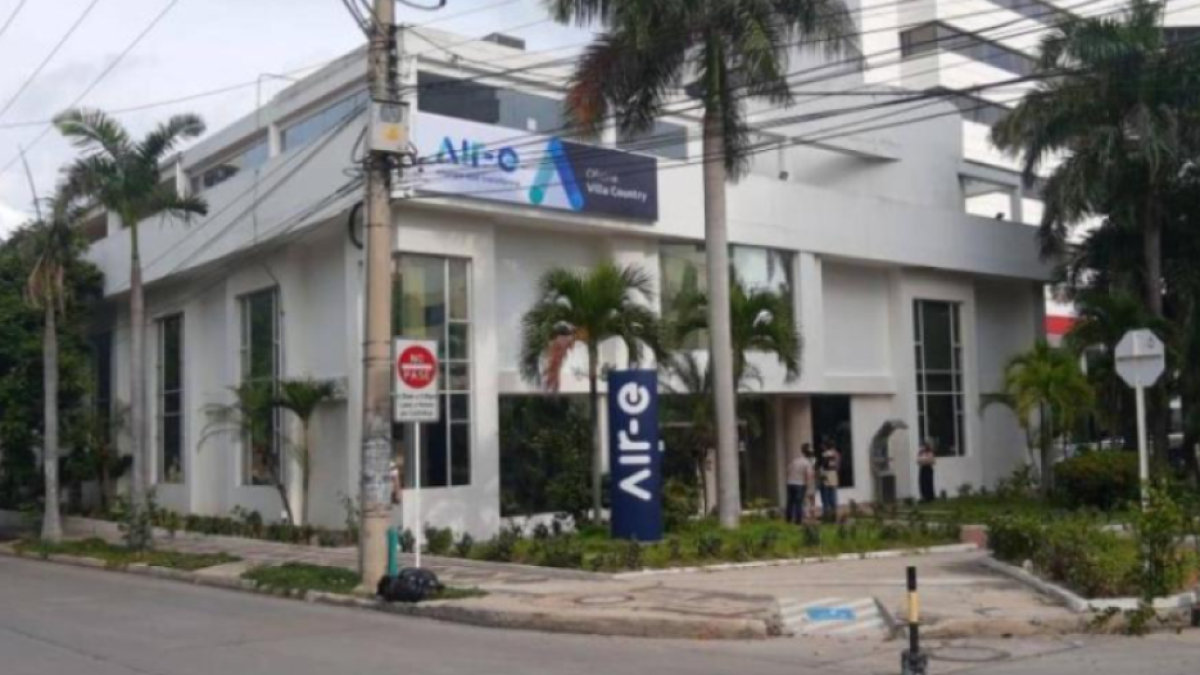
La situación de Air-e se ha deteriorado en manos de la intervención del gobierno Petro. Foto: Cortesía: Air-e
TL;DR
- Air-e was intervened by the National Government in September 2024, leading to a decline in its indicators.
- The intervention is linked to corruption, mismanagement, increased bureaucracy, and conflicts of interest.
- A temporary charge of $8 per kilovatio hour is insufficient to resolve the company's fundamental crisis.
- Air-e is paying the highest price per kilovatio hour in Colombia for energy generation.
- Before the intervention, Air-e had a positive Ebitda and improved service quality, but faced issues with exorbitant generation prices and delayed government payments exceeding 1.6 trillion pesos.
- Generators did not reduce prices for vulnerable consumers in the Caribbean, contributing to the crisis.
- Proposed solutions include fair generation prices, timely government debt payments, and competent administration.
- The possibility of liquidating Air-e and transferring operations to Gecelca is discouraged due to potential evidence destruction and Gecelca's lack of distribution/commercialization experience.
- The Creg is criticized for its omission in regulating the market, allowing oligopolistic practices and price abuses.
- A key pending measure is limiting energy sales in the spot market to 5% to prevent abuses of dominant positions.