Debt interest will reach a record high in 2027 and will concentrate greater pressure on public spending
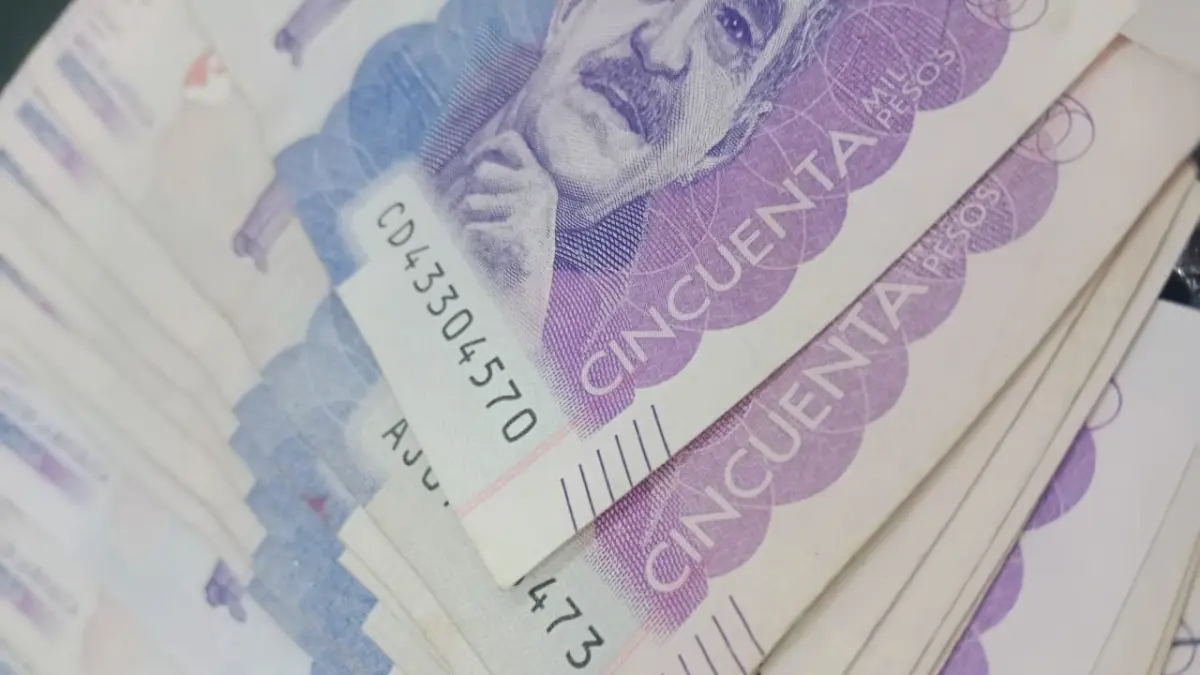
According to the Fiscal Observatory of the U. Javeriana, nearly $90 trillion will be allocated to interest. Photo: Valentina Delgadillo - Portafolio
TL;DR
- Public debt interest payments are expected to reach an all-time high by 2027, placing significant pressure on public spending.
- The projected budget increase is primarily due to a 40.2% rise in debt servicing costs, amounting to $43 trillion, rather than fiscal expansion.
- Debt servicing will become the largest budget item at $124.5 trillion, with interest alone accounting for approximately $90 trillion, nearly 73% of the total.
- This level of interest payments is comparable to those seen during the pandemic, indicating fiscal pressure without an equivalent extraordinary shock.
- The increased cost of financing is attributed to higher accumulated debt and less favorable market conditions, with more funds directed towards interest rather than principal reduction.
- This dynamic limits the state's ability to reduce debt in the medium term and increases exposure to interest rate fluctuations.
- Real operating expenses are reduced by $12.6 trillion, and investment falls by $11.3 trillion, indicating that fiscal adjustments are concentrated in more flexible budget items.
- The proportion of the budget allocated to debt servicing has risen to 24.9%, while investment has decreased to 13.8%.
- The growing weight of interest payments threatens to displace necessary investment and signals fragility in public finances.
- Fiscal consolidation to reduce borrowing costs and regain space for investment is identified as a crucial task for the coming years.