health
May 6, 2026
Heatstroke becomes a mortal danger in Nicaragua
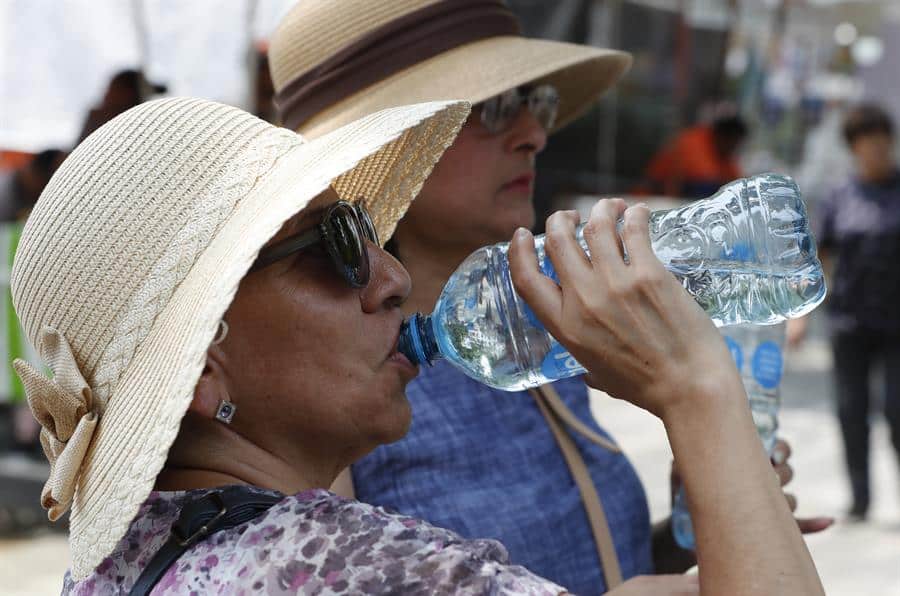
High temperatures, prolonged sun exposure, and lack of hydration increase the risk of heatstroke in the country. Specialists warn that this condition can cause collapses in a matter of hours, while prevention campaigns from the Ministry of Health are still lacking.
TL;DR
- Extreme heat in Nicaragua is a direct health risk, potentially leading to heatstroke, which can cause loss of consciousness, organ failure, and death.
- The population is exposed to high temperatures without adequate information or campaigns on how to prevent heatstroke.
- Heatstroke occurs when the body loses its ability to regulate internal temperature, with critical risks increasing when body temperature reaches 40°C.
- Even a few hours of exposure in adverse conditions can trigger a collapse, particularly between 10 AM and 4 PM.
- Climate phenomena like El Niño and Saharan dust contribute to higher temperatures and reduced cloud cover in Nicaragua.
- Official reports often fail to link sudden deaths to thermal conditions, masking the true impact of heat.
- There is a lack of massive campaigns to educate the public on facing extreme heat, with institutional responses being isolated announcements.
- Basic preventive measures like constant hydration, reducing sun exposure, and identifying high-risk hours are not effectively communicated.
- Outdoor workers, children at traffic lights, and the elderly are among the most vulnerable groups due to constant exposure and lack of protection.
- Irregular access to drinking water in some areas further complicates prevention, as maintaining hydration is not always possible.