economy
May 5, 2026
Global trade could fall due to Strait of Hormuz closure, worsening global economic and energy tensions
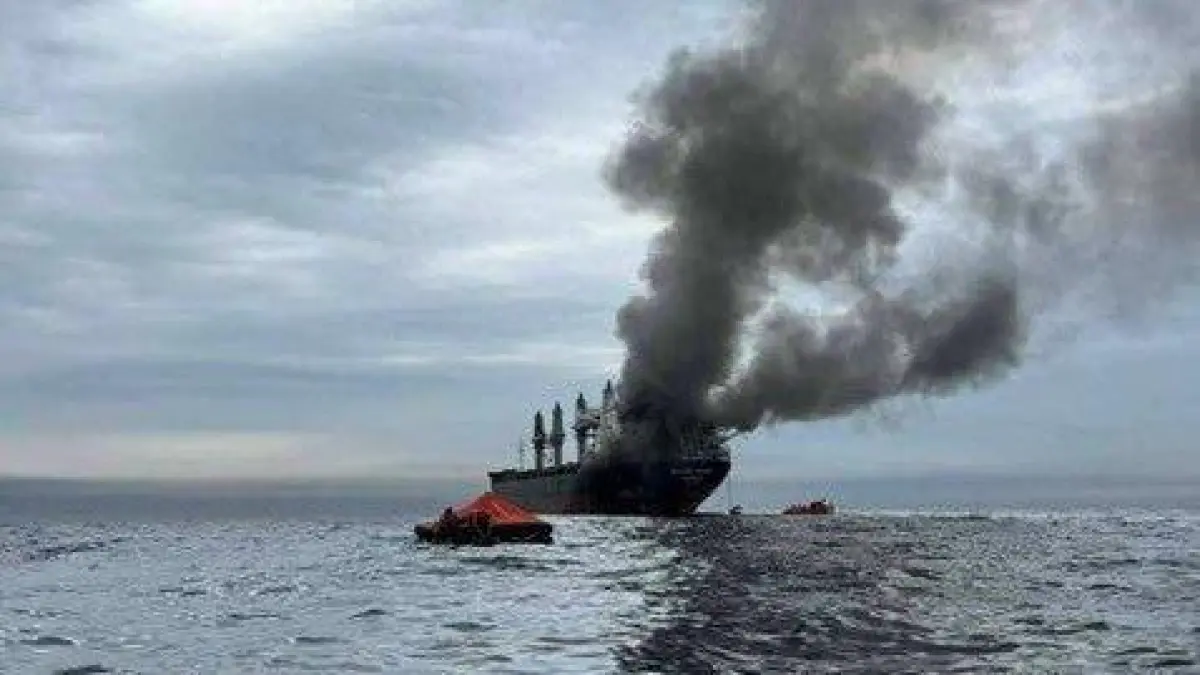
The Strait of Hormuz accounts for about 20% of global oil trade. Photo: EFE
TL;DR
- Tensions in the Strait of Hormuz have caused major disruptions to global trade, affecting shipping, energy, food, and finance indicators.
- UNCTAD data shows a 91.3% decrease in ship traffic through the Strait since February 26, 2026.
- Food prices have increased by 8.2%, European crude oil prices by 67%, and emerging market stocks have fallen by 0.1%.
- UNCTAD predicts world merchandise trade growth will slow from 4.7% in 2025 to 1.5%-2.5% in 2026.
- Inflationary pressures are expected to persist due to energy crises, and financial tensions are rising as investors withdraw from developing nations.
- Fertilizer prices, including urea and diammonium phosphate, have reached multi-year highs.
- Oil prices have increased significantly in Europe (67%), the Middle East (60.7%), and Russia (100.7%).
- Natural gas prices have risen in Asia (57.5%) and Europe (47.6%) but decreased in North America (-6.7%).
- Biocombustible prices have increased by 11.4%.
- Continued disruptions could lead to prolonged elevated prices, prolonged inflationary pressures, and a widespread global economic downturn, potentially escalating into a debt crisis and impacting 3.4 billion people.