health
May 8, 2026
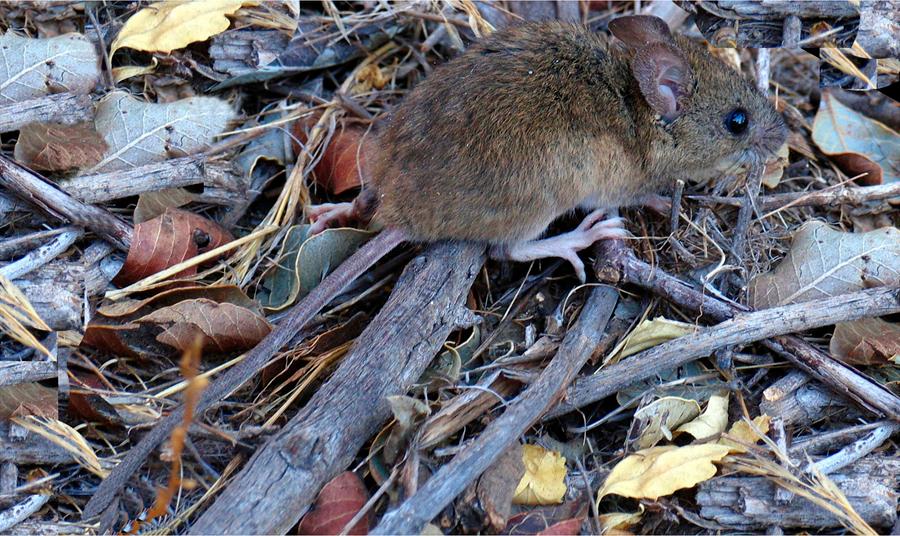
Meet the long-tailed mouse, the wild rodent from which the Andes strain of hantavirus originates
According to the Institute of Medical Sciences and Innovation of Chile, hantavirus infection is a zoonosis transmitted by wild rodents....
TL;DR
- The Andes strain of hantavirus, present in the recent cruise ship outbreak, originates from the long-tailed mouse (*Oligoryzomys longicaudatus*).
- This is the only hantavirus strain that can be transmitted from person to person.
- The long-tailed mouse is a small rodent, measuring about 8-9 cm in body length with an 13 cm tail, and is found in Argentina and Chile.
- Hantavirus infections are zoonoses transmitted by wild rodents through saliva, urine, and excrement, with transmission occurring via bites, contact, or inhalation of contaminated dust.
- While hantavirus infections are uncommon and not easily transmitted between people, the Andes strain can be transmitted from person to person through close and prolonged contact.
- Symptoms of hantavirus infection include high fever, muscle aches, headache, and gastrointestinal issues, which can progress to Hantavirus Pulmonary Syndrome.
- Only about 7% of long-tailed mice are infected with hantavirus, but this percentage can increase to 20% during 'ratadas' (explosive increases in rodent populations).