¿El déficit del Fondo de Estabilización de los Precios de los Combustibles se saneó?: así están las cuentas
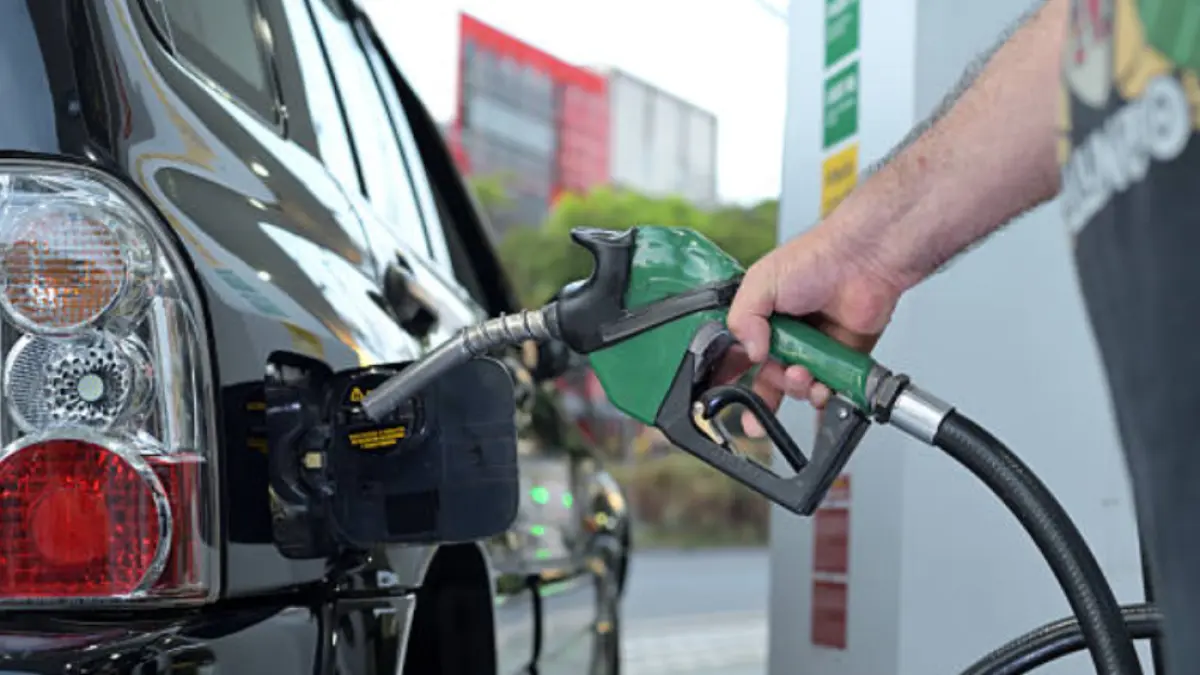
A septiembre del 2025 el déficit del FECP se encontraba en $3,3 billones. Foto: Cortesía: Istock
TL;DR
- Colombia's Fuel Price Stabilization Fund (FEPC), established in 2007, aims to shield consumers from volatile international fuel prices.
- President Gustavo Petro stated that his government paid off a 70 trillion peso debt previously held by the FEPC, inherited from the previous administration.
- Petro contrasted this by saying his government will leave a surplus in the FEPC for the next administration, unlike the debt left by the previous one.
- The appreciation of the Colombian peso against the dollar is cited as a factor that will contribute to a decrease in gasoline prices.
- Financial figures from Ecopetrol show the FEPC's debt fluctuating, ending 2023 at 20.5 trillion pesos and further decreasing throughout 2024 and into 2025.
- Experts are requesting detailed financial reports to confirm the debt payment, citing the nation's difficult fiscal situation.
- An expert suggested that the ongoing deficit in diesel, estimated at 8 trillion pesos annually, makes continued subsidies unjustifiable.
- The Minister of Mines and Energy, Edwin Palma, indicated that figures are being reconciled to announce a reduction in fuel prices.
- As of January 1, 2026, new price increases for gasoline and diesel have taken effect, with average prices reported for major cities.