environment
April 25, 2026
Forest fires increase in protected areas and indigenous territories of Nicaragua
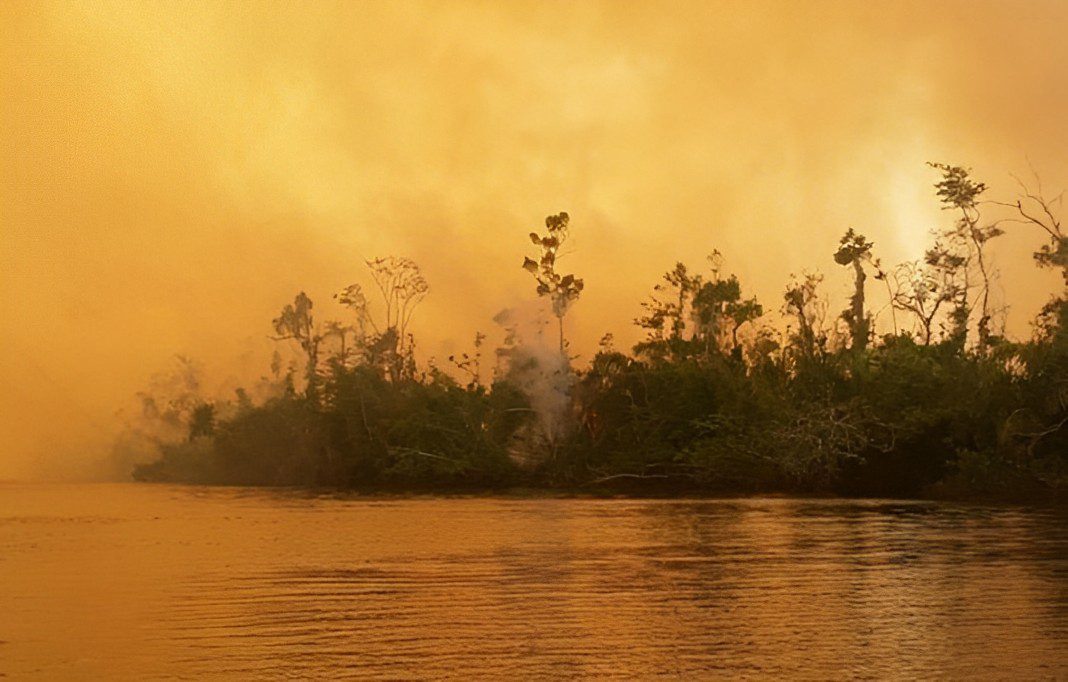
The incidence of heat points increased by 25% nationally compared to 2022, according to a report presented by Fundación del Río. 84% of the heat points were marked in Protected Areas and Indigenous and Afro-descendant Territories. Bosawás and Indio Maíz are the most affected by fires.
TL;DR
- Fundación del Río reported 1,936 forest fires in the first half of 2023, significantly more than the 233 reported by government institutions.
- Incidents of agricultural and weed fires were reported at 36,676 by Fundación del Río, compared to 9,358 by the government.
- National incidence of heat spots increased by 25% compared to 2022, with an extended temporal range due to decreased rainfall and El Niño.
- 84% of national heat spot incidence occurred within protected areas and indigenous/Afro-descendant territories.
- Fires in the Caribbean region are linked to settler invasions for agricultural purposes, while fires in the Pacific and center are associated with looting and illegal hunting.
- The Indio Maíz Biological Reserve reported 458 fires by April 28, prompting calls for government protection.
- A national plan presented by Sandinista regime institutions in January 2023 has shown unsatisfactory results.
- The report criticizes the lack of updated, real-time monitoring systems within relevant government institutions like Marena and Inafor.
- The government is accused of negligence in equipping itself to combat large-scale fires, relying on rudimentary tools instead of advanced equipment.
- Disparities in data reported by different government institutions (Bomberos Unidos, Nicaraguan Army) indicate a lack of coordination.