Presidente del Banco Central de Nicaragua presenta “Informe Económico de los 19 años del Pueblo Presidente”
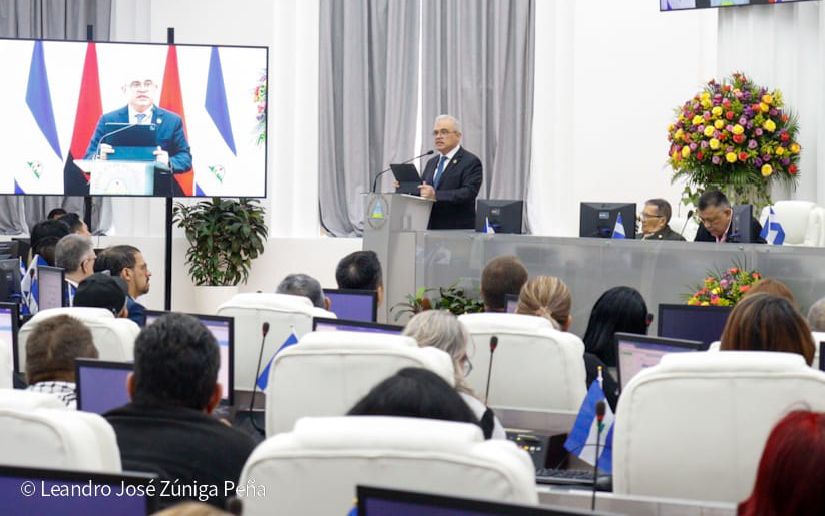
El presidente del Banco Central de Nicaragua, compañero Ovidio Reyes, presentó al pueblo nicaragüense desde el plenario de la Asamblea Nacional.
TL;DR
- General poverty reduced from 48.3% in 2005 to 24.9% in 2016; extreme poverty from 17.2% to 6.9% in the same period.
- Economic policies prioritized macroeconomic and financial stability, promoting production and employment with low inflation.
- The agricultural sector is crucial, making Nicaragua a net food exporter and ensuring food security.
- Investments in infrastructure (transport, social services, energy) have been substantial, integrating regions and improving competitiveness.
- Fiscal balance improved from 0.1% of GDP in 2006 to a 2.4% saving in 2024; public debt decreased from 86.9% to 51.7% of GDP.
- Monetary policy has maintained macroeconomic and financial stability, with inflation falling below 3% and international reserves strengthening to $8.325 billion.
- The economy grew by 4.9% in the first three quarters of 2025, with a projected year-end GDP growth of 4.5-5.0%.
- Unemployment was 2.4% in November 2025, with projected year-end unemployment between 3.0-3.5%; inflation was 2.9% in November 2025, projected to end between 2.5-3.0%.
- Economic growth for 2026 is projected between 3.5-4.5% with inflation expected to remain low.