economy
May 4, 2026
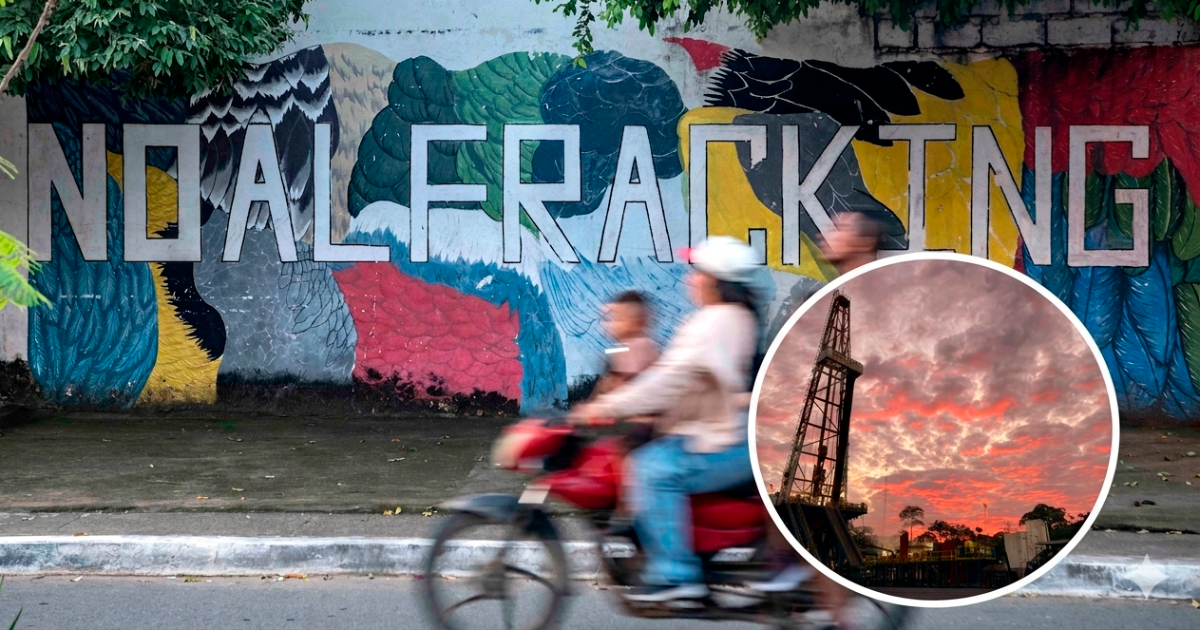
Ecuador implements fracking and reopens debate on its use in Colombia
Ecuador took an unprecedented step in its oil history by extracting crude oil for the first time through hydraulic fracturing, known as fracking. That panorama opened the debate on whether Colombia should open its doors to this practice to guarantee its energy sovereignty.
TL;DR
- Ecuador has successfully implemented hydraulic fracturing (fracking) for the first time, extracting 930 barrels of crude oil daily from the Caliza A level in the Sucumbíos province.
- This technological advancement aims to overcome stagnant or declining oil production trends in Ecuador and enhance national energy security.
- In Colombia, fracking faces significant opposition due to environmental risks, particularly to water resources, leading to institutional recommendations for suspension and legislative proposals for prohibition.
- Proponents in Colombia, like analyst Sergio Cabrales, argue that technological and regulatory advancements have transformed the landscape, allowing for more effective risk mitigation.
- Studies cited by Cabrales suggest no widespread systemic impacts on groundwater directly attributable to fracking, with reported incidents linked to well integrity failures.
- Despite environmental ministry initiatives to ban fracking, its potential to extend Colombia's energy self-sufficiency by 8-12 years is highlighted by figures like ex-minister Amylkar Acosta.
- Regional trends show Mexico evaluating fracking in Coahuila and Argentina advanced with Vaca Muerta, indicating a growing exploration of non-conventional resources in Latin America.
- The debate in Colombia centers on balancing energy needs with environmental protection, with some suggesting a focus on sustainable development of the technique rather than outright prohibition.