Economic Emergency Remains in Fiscal Tension, Following Comptroller's Alerts on Economic Impacts
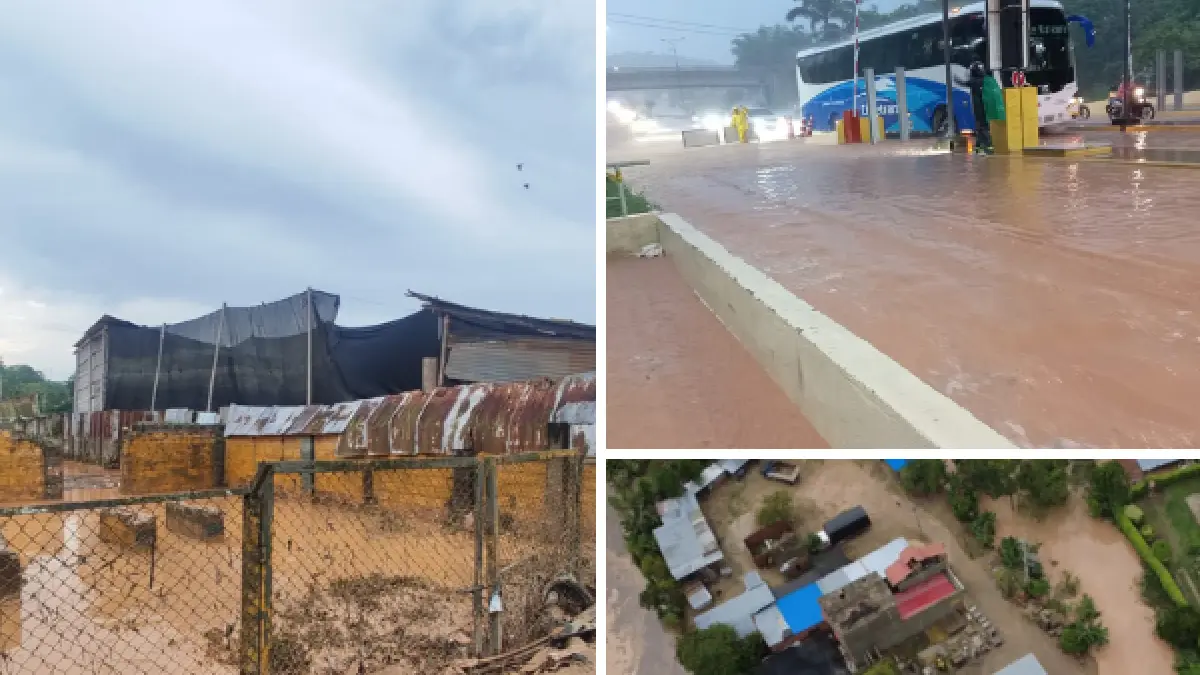
Heavy rains in Lebrija, Santander. Photo: Social media
TL;DR
- The Comptroller General has identified shortcomings in the structuring, articulation, and execution of decrees issued under the Economic, Social, and Ecological Emergency.
- Concerns are raised regarding the collection of new taxes intended to raise $8.68 trillion pesos, with an emphasis on ensuring adequate revenue and proper use of funds.
- The capacity of the DIAN and control mechanisms, particularly for wealth taxes and online gambling taxes, needs strengthening.
- The effectiveness of resource execution is questioned, with the Comptroller stating that increased contracting powers do not guarantee results without improved management.
- Reallocating funds from ongoing programs to address the emergency could negatively impact project continuity, requiring rigorous legal and technical definition for reimbursements.
- The National Unit for Disaster Risk Management (UNGRD) is under scrutiny for its capacity to manage complex technical works, particularly with resources transferred from the electricity sector.
- Risks in the energy sector are highlighted, including potential modifications to hydroelectric dam operations without technical justification, which could lead to contractual breaches and reduced investor confidence.
- The Comptroller calls for strengthening mechanisms for targeting, verification, and data cleansing for extraordinary aid to prevent errors in beneficiary identification and fund distribution.
- The Comptroller will request justification for the $8.68 trillion peso revenue target and its distribution, indicating stricter fiscal control.
- The Comptroller reiterates that the country has not yet fully implemented risk management mechanisms as established by Law 1523 of 2012, which includes knowledge, reduction, and management of risk.