China pescaría en río revuelto de los aranceles entre Colombia y Ecuador
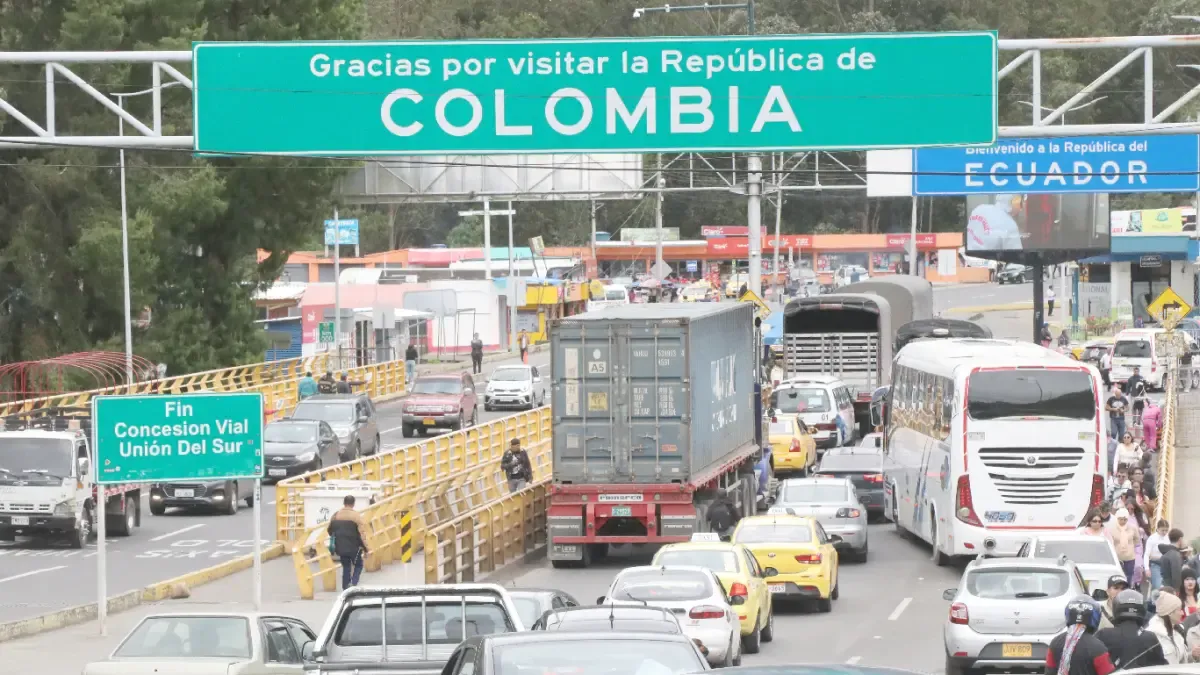
Aranceles recíprocos entre Colombia y Ecuador ya afectan la competitividad del comercio formal bilateral. Foto: EFE
TL;DR
- Tariffs imposed by Ecuador and Colombia are affecting the formal sectors of both countries.
- Experts predict a negative impact on competitiveness, employment, and economic development, particularly for Colombia.
- Importers in Ecuador may seek cheaper suppliers, affecting Colombian exports.
- The 30% tariff creates an immediate price shock, reducing the competitiveness of Colombian exports.
- Short-term impacts include contract renegotiations and order cancellations, while the medium-term risk is structural loss of market share.
- Bilateral trade between Colombia and Ecuador amounted to approximately US$3 billion between January and November of the previous year.
- Agro-industrial and industrial sectors, including food, energy, pharmaceuticals, and manufactured goods, are most exposed to these measures.
- The trade disruption raises concerns about China potentially replacing domestic production in both countries.
- The tariffs are seen as a measure that "dismantles the productive apparatus" of both nations.
- The measures generate distrust among investors and negatively impact formal economic sectors.
- Maintaining tariffs is expected to lead to a contraction in bilateral trade.
- Companies with integrated operations between the two countries and those using Ecuador as a logistics platform are forced to redesign routes due to altered cost equations.