tech
May 8, 2026
Massive leaks and legal void, the invisible risk ahead of a potential presidential election
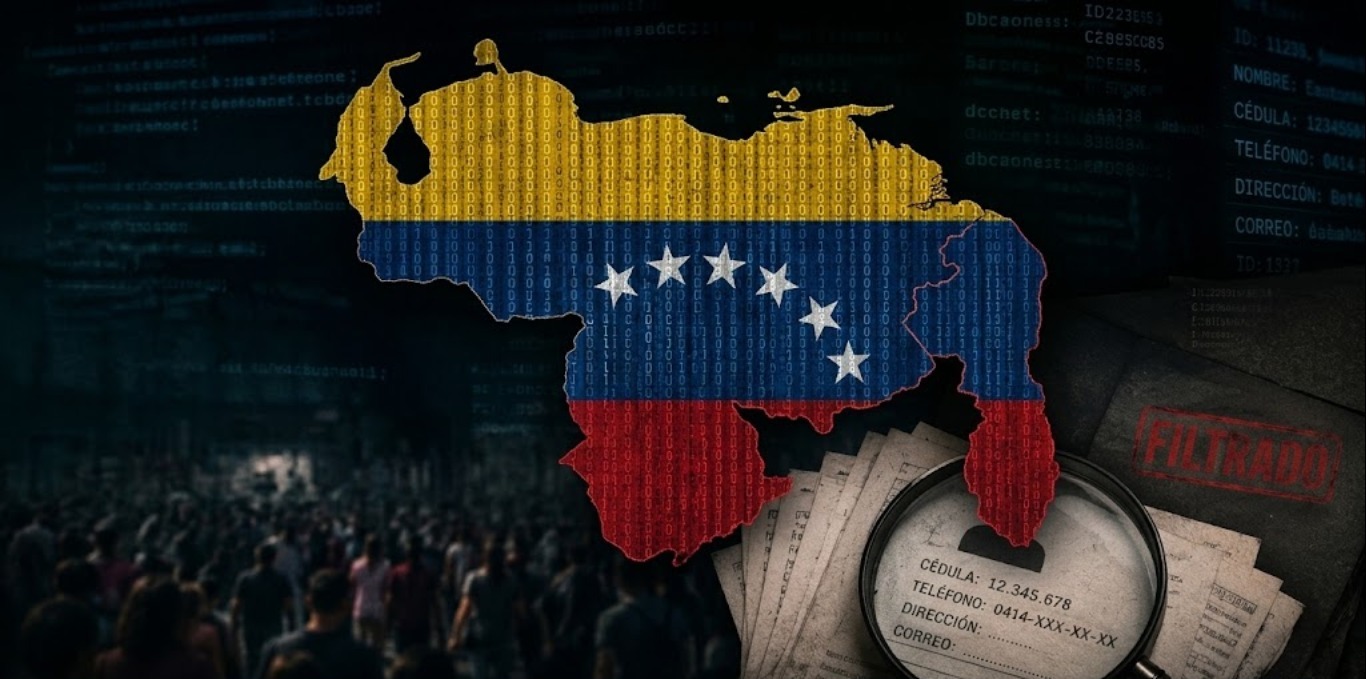
Full names, ID numbers, phone numbers, addresses, emails, and other sensitive data of millions of Venezuelans are circulating online or being sold on clandestine forums. The fragility of cybersecurity adds to the long list of persistent structural failures in Venezuela.
TL;DR
- Millions of Venezuelans' personal data, including names, IDs, phone numbers, and addresses, are being leaked and sold online.
- These leaks pose risks of scams, identity theft, political surveillance, manipulation, and extortion.
- At least seven massive data leaks have occurred in Venezuela in the first four months of 2026, affecting both private companies and state institutions like Seniat and Pdvsa.
- The lack of a modern, comprehensive data protection law, outdated state technology, and an active black market for data contribute to the problem.
- Data leaks can be used for political purposes, such as microtargeting voters, selective intimidation, and undermining trust in institutions.
- International examples highlight the global nature of data breaches, but Venezuela's response is hindered by legal and infrastructural deficiencies.
- For public officials, leaks increase risks of physical danger, extortion, and compromise of operations.
- For the general population, leaks can expose vulnerable individuals and facilitate scams and disinformation.
- Recommendations include activating two-factor authentication, using unique passwords, being wary of urgent communications, and limiting social media sharing.
- Comprehensive solutions require a strong data protection law, mandatory cybersecurity standards, independent audits, public breach reporting, and investment in talent and technology.