Judicial ruling on social unrest indicated it was planned by illegal groups: also left a high economic cost
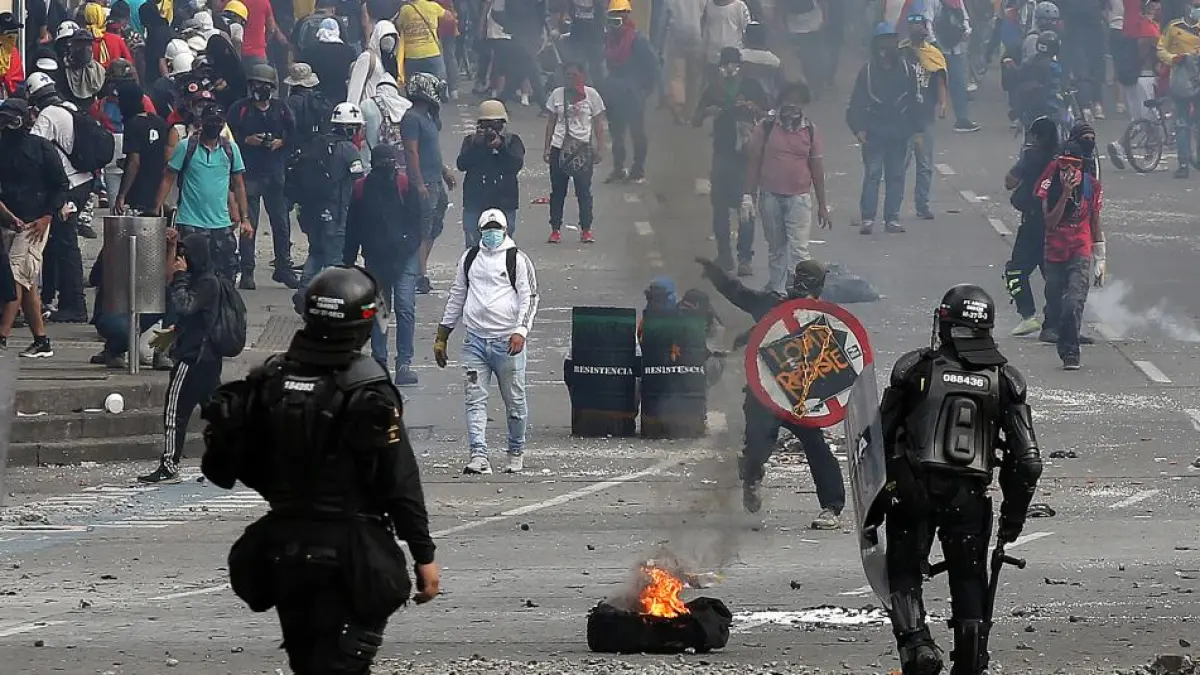
Social unrest in Colombia 2019 - 2021 Photo: ET Archive
TL;DR
- The High Court of Bogotá ruled that violence during the social unrest was planned and coordinated with illegal armed groups.
- The ruling identifies links between defendants and FARC dissident structures, specifically the Second Front Manuel Marulanda Vélez.
- Attacks targeted strategic infrastructure like TransMilenio, main roads, and businesses under unified command.
- The court's decision revives discussions about the fiscal and productive impact of the unrest, with millions lost due to destroyed infrastructure and paralyzed commercial activity.
- The findings suggest the costs were not just from disordered unrest but a strategy affecting business confidence and supply chains.
- The ruling introduces a differentiated narrative regarding country risk for investors, as organized armed groups were involved.
- Public finances were impacted by reconstruction costs, increased security, judicial expenses, and aid programs for affected businesses.
- The decision opens avenues to assess broader patrimonial responsibilities and may influence future budgetary and public policy decisions on public order and risk prevention.
- The ruling emphasizes the need to distinguish between legitimate protest and organized criminality for preserving institutional confidence and stability.